
A Brief Overview of Germany
Germany, located in the heart of Europe, is a country renowned for its rich cultural heritage, economic prowess, and historical significance. Bordered by nine countries, including France, Poland, and the Netherlands, it covers an area of approximately 357,022 square kilometers. This strategic geographical position has historically made Germany a center for trade, culture, and diplomacy on the continent.
As one of the leading nations in the European Union, Germany plays a pivotal role in global affairs, notably in economic, political, and environmental discussions. The country’s economy is one of the largest in the world, characterized by a strong manufacturing sector, particularly in automotive, engineering, and technology. German companies are major contributors to world markets, and as such, the nation is often regarded as an industrial powerhouse.
Historically, Germany has undergone significant transformations. From its days as a fragmented collection of states and principalities to its unification in 1871, the country has faced numerous challenges and changes. The aftermath of World War II marked a crucial turning point, leading to the division of East and West Germany. However, the fall of the Berlin Wall in 1989 heralded a new era of unity, and today, Germany stands as a staunch advocate for democratic values, human rights, and sustainable development.
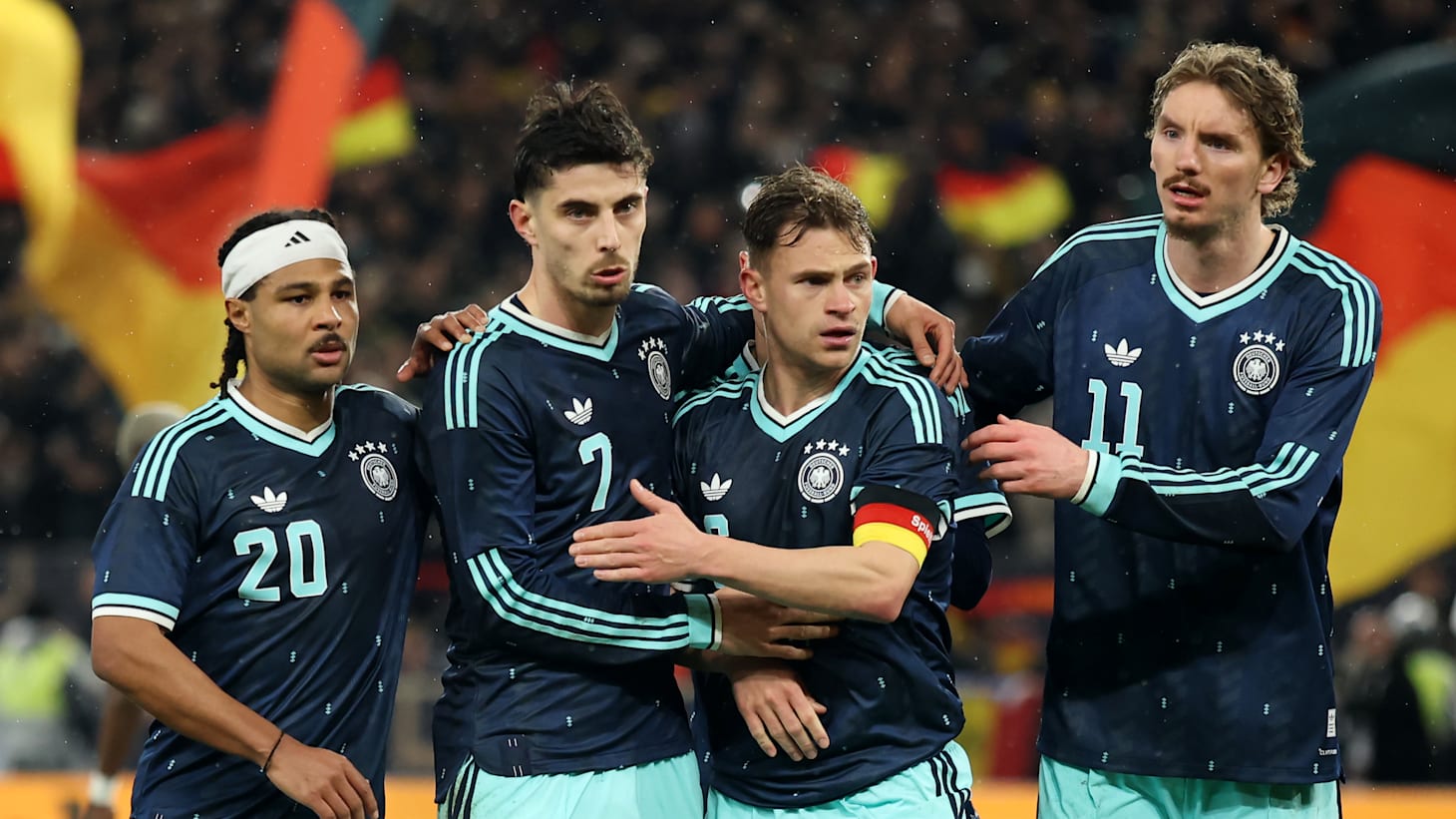
Germany’s contributions extend into the realm of sports, particularly in the context of the FIFA World Cup. The nation’s football players have consistently been among the elite, showcasing their talents on the global stage. The success of the German national team in various tournaments further amplifies the country’s stature in the sporting world. Overall, Germany remains a dynamic nation that continues to influence the global landscape through a blend of tradition and innovation.
German Culture and Traditions
Germany boasts a diverse and rich cultural landscape that is reflected in its art, music, literature, and traditional customs. The country’s cultural heritage has evolved over centuries, shaped by historical events, regional differences, and influences from other nations, making it a fascinating subject of study. The German contribution to the world of art is substantial, with renowned figures such as Albrecht Dürer and Caspar David Friedrich, whose works continue to influence artists today.
Music is another critical aspect of German culture, with composers like Ludwig van Beethoven, Johann Sebastian Bach, and Richard Wagner having left a lasting legacy not only in Germany but around the world. Their compositions, which range from symphonic masterpieces to operatic works, are performed globally, demonstrating the enduring impact of Germany on the classical music scene.
Literature also plays a vital role in the cultural sphere, with writers such as Johann Wolfgang von Goethe and Friedrich Schiller, who have made significant contributions to German literature and have had their works translated into numerous languages. Their exploration of human nature and societal issues continues to resonate with readers today.
In terms of traditional customs, Germany is known for its festivals such as Oktoberfest and Christmas markets, which celebrate regional traditions and culinary delights. The Oktoberfest event in Munich attracts millions of visitors annually, who come to enjoy German beers, foods, and music in a convivial atmosphere. Similarly, the Christmas market tradition showcases beautifully crafted ornaments and hand-made goods, representing German craftsmanship.
Overall, the cultural tapestry of Germany is woven with threads of history, art, music, and tradition, offering a glimpse into the nation’s identity and a profound understanding of its contributions to the world stage.
German Cuisine: A Culinary Journey
German cuisine reflects the diversity and richness of the country’s history, geography, and culture. From hearty meats to flavorful pastries, traditional German dishes are characterized by the use of fresh, local ingredients, making them enjoyable for both locals and visitors alike. One cannot discuss German food without mentioning iconic dishes such as Sauerbraten, a pot roast often considered the national dish, and bratwurst, which varies by region but is typically grilled and served with mustard and sauerkraut.
Each region in Germany boasts its own specialties. For instance, Bavaria is known for its Weisswurst, a white sausage that is traditionally enjoyed for breakfast, while the north is famous for herring, often pickled and served with rye bread. Additionally, the Swabian region offers delicious Spätzle, a type of egg noodle that accompanies many meat dishes and is a staple in German households. Such culinary diversity illustrates the varied climate and agricultural practices across the country, which significantly influence local food traditions.
In contemporary times, German culinary practices have evolved, embracing international influences while still honoring traditional recipes. Many chefs have begun integrating modern techniques with classic items, resulting in innovative dishes that reflect both heritage and contemporary tastes. There is also a growing focus on sustainable and organic ingredients, leading to healthier options while preserving the essence of traditional German cuisine.
Seasonal festivities, such as Oktoberfest, heavily emphasize food in German culture, featuring classic dishes paired with regional beers. As German teams compete in events like the FIFA World Cup, food becomes a unifying element for fans celebrating their nation’s players and successes today. In essence, German cuisine is not just about sustenance; it plays a vital role in social gatherings, cultural identity, and the celebration of life in Germany.
The Landscapes of Germany

Germany is a country distinguished by its diverse geography, which includes a rich array of landscapes ranging from majestic mountains to serene forests and flowing rivers. The northern region is characterized by lowlands and coastlines that hug the North Sea and the Baltic Sea, while the southern part is dominated by the prominent Alps, namely the Bavarian Alps, where Germany shares its borders with Austria. This dramatic contrast in elevation contributes to the unique climatic conditions and ecosystems found across the country.
Forests cover approximately one-third of Germany’s land area, making them an integral component of its natural heritage. The Black Forest (Schwarzwald) and the Thuringian Forest are two of the most notable woodland areas, renowned for their breathtaking beauty and biodiversity. These forests not only serve as recreational areas for locals and tourists but also play a crucial role in carbon sequestration, supporting conservation initiatives aimed at ensuring the sustainability of such natural resources.
Germany is home to numerous significant rivers, with the Rhine, Elbe, and Danube being among the most important. These waterways have historically served as vital trade routes, influencing economic development and cultural exchange. They also provide opportunities for various recreational activities today, such as boating and fishing, contributing to the overall quality of life.
The nation’s commitment to environmental preservation is exemplified by its extensive network of national parks and protected areas, including the Bavarian Forest National Park and the Saxon Switzerland National Park. These parks safeguard the natural beauty of Germany and its diverse flora and fauna, reflecting a deep respect for the land that extends beyond just scenic appreciation.
In conclusion, the landscapes of Germany weave together a compelling narrative of nature’s bounty, offering a habitat for wildlife, a playground for adventure, and a reminder of the significance of preserving the environment for future generations. As the world watches the upcoming events in sports, such as the FIFA World Cup, Germany’s landscapes remain a symbol of both natural beauty and cultural pride.

Major Cities and Their Unique Charms
Germany is a country known for its rich history, vibrant culture, and architectural marvels. Among its many cities, three stand out for their unique offerings: Berlin, Munich, and Hamburg. Each city has its own distinct character, making them appealing destinations for tourists and locals alike.
Berlin, the capital city, is a dynamic metropolis that reflects Germany’s modern and historical narratives. Renowned for its impressive landmarks like the Brandenburg Gate and Berlin Wall, it serves as a hub for artists, musicians, and history enthusiasts. The city’s eclectic neighborhoods, such as Mitte and Kreuzberg, offer a diversity of cultural experiences, featuring art galleries, theaters, and a bustling nightlife. Today, Berlin is not only a historical battlefield but also a progressive city that continually evolves, making it an influential player in the global cultural scene.
Next, we have Munich, located in Bavaria, known for its traditional architecture and vibrant festivals. The city is famous for its annual Oktoberfest, which attracts millions of visitors who indulge in local brews and Bavarian cuisine. Munich’s Marienplatz is home to the striking Neues Rathaus and is a focal point for both locals and tourists. Additionally, the city boasts numerous museums, including the Deutsches Museum, showcasing Germany’s technological advancements. The harmonious blend of tradition and modern innovation sets Munich apart as a cultural hotspot.
Finally, Hamburg is the gateway to the world, featuring one of the largest ports in Europe. The city is characterized by its impressive maritime architecture, including the historic Speicherstadt and the futuristic Elbphilharmonie concert hall. Hamburg’s vibrant harbor area offers various attractions such as the Miniatur Wunderland, a model railway exhibition that attracts global attention. This northern gem harmonizes commerce and culture, making it a vibrant metropolis worth exploring.
The German Economy and Industry
Germany stands as a pivotal economic powerhouse in Europe, boasting the largest economy on the continent and the fourth largest in the world. The nation is characterized by a diverse and robust industrial base, with key industries including automotive manufacturing, mechanical engineering, chemical production, and information technology. This economic structure not only underpins Germany’s economic strength but also reflects its strategic position in the global market.
The automotive sector plays a crucial role, with German companies such as Volkswagen, BMW, and Mercedes-Benz leading innovation and technology in vehicle production. The emphasis on engineering excellence and precision manufacturing has positioned Germany at the forefront of the global automotive industry. Furthermore, this sector fosters numerous jobs and contributes significantly to the country’s GDP, driving both domestic and international demand.
Germany’s economy is also heavily reliant on the principles of innovation and technology. The country invests a substantial portion of its GDP into research and development, ensuring it remains competitive in emerging sectors. This focus on technology is evident in industries such as renewable energy, pharmaceuticals, and telecommunications. The German government actively promotes partnerships between industries and research institutions, encouraging the flow of knowledge and innovation.
Moreover, Germany’s commitment to sustainability and environmentally friendly practices has led to advancements in green technologies, positioning German companies as leaders in sustainable industrial processes. As the world today shifts towards more sustainable practices, German industries are adapting to meet these challenges, further reinforcing the nation’s role in the global economy. This ability to evolve is crucial for sustaining growth and fostering a resilient economy that can withstand global market fluctuations.
Education and Research in Germany
Germany boasts a longstanding tradition of excellence in education and research, making it a critical player on the global stage. The country is home to numerous prestigious universities, such as the Technical University of Munich and the University of Heidelberg, which consistently rank among the best in the world. These institutions attract top-tier students and researchers from around the globe, fostering an environment rich in innovation and intellectual discourse.
Germany’s commitment to research and development (R&D) sets it apart, particularly in fields such as engineering, technology, and the sciences. The government emphasizes STEM (Science, Technology, Engineering, and Mathematics) education, ensuring that students receive a strong foundation that prepares them for the complexities of the global job market. The integration of theory and practical application during studies is a hallmark of the German educational approach, often involving partnerships with leading industries.
Furthermore, the nation’s research institutions, including the Max Planck Society and the Fraunhofer Society, play a pivotal role in advancing knowledge and innovation. These organizations collaborate closely with universities, creating a seamless bridge between academic research and real-world applications. As Germany continues to lead in research, it contributes significantly to the development of new technologies and solutions that address contemporary challenges.
Ultimately, the educational framework in Germany not only shapes its future workforce but also has implications on a global scale. As the nation prepares to host global events such as the FIFA World Cup, the influence of its educated populace on the world of sports, including players from countries like Ivory Coast, mirrors the interconnectedness of education, culture, and international relations.
Festivals and Celebrations
Germany boasts a rich tapestry of festivals and celebrations that reflect its vibrant culture and historical significance. Among the most famed is Oktoberfest, a massive beer festival held annually in Munich. Originating in 1810 as a royal wedding celebration, this 16 to 18-day event has become a major cultural phenomenon, attracting millions of attendees from around the world today. Visitors indulge in traditional German fare, such as pretzels and sausages, while enjoying locally brewed beers. The festival not only highlights Germany’s brewing heritage but also acts as a platform for showcasing Bavarian music, costumes, and regional pride.
Another illustrious event is the Christmas market season, a cherished tradition celebrated across the country. Each December, charming markets pop up in town squares, creating a picturesque setting filled with twinkling lights and festive decorations. The markets offer an array of handcrafted goods, local delicacies, and spiced mulled wine, drawing locals and tourists alike. Historical records trace these markets back to the Late Middle Ages, emphasizing the enduring practice of gathering community, fostering relationships, and celebrating the spirit of giving.
Besides Oktoberfest and Christmas markets, Germany hosts numerous regional festivals that showcase unique cultural heritages. For instance, the Rhine in Flames festival illuminates the Rhine River with fireworks and torch-lit boats, celebrating the picturesque landscape and local folklore. Other important events include the Carnival celebrations in cities like Cologne, where parades and costumes reflect the exuberance of the community.
The diversity of festivals reflects the amalgamation of history, culture, and regional customs that define Germany. Each of these celebrations not only serves to preserve traditions but also promotes camaraderie among its participants, highlighting the country’s identity on a global scale.
Travel Tips for Visiting Germany
When planning a visit to Germany, understanding the best times to travel can greatly enhance your experience. The most favorable months to explore the country typically range from late spring to early autumn, specifically from May to September. This period not only features mild weather but also numerous festivals, including the famous Oktoberfest in Munich. Each season provides a distinct charm, so visitors can also enjoy a picturesque winter wonderland during the colder months.
While there are countless attractions in Germany, certain sites stand out as must-see destinations. Tourists should consider visiting the Brandenburg Gate in Berlin, a symbol of unity and history, and the Neuschwanstein Castle in Bavaria, widely regarded for its romantic architecture. Other noteworthy attractions include the Berlin Wall Memorial, the Cologne Cathedral, and the scenic Romantic Road, which showcases charming medieval towns and beautiful landscapes.
Local etiquette plays a crucial role in ensuring a respectful and enjoyable stay. Germans value punctuality, so it is advisable to arrive on time for appointments or gatherings. It is also common to greet locals with a firm handshake and to use the formal “Sie” when addressing strangers or in professional settings. When dining, it is customary to wait for everyone to be served before starting to eat and to make eye contact while clinking glasses during a toast.
To navigate the country efficiently, utilizing Germany’s comprehensive public transportation system is recommended. The Deutsche Bahn train network connects major cities, and local public transportation, including trams and buses, is reliable and widely used. For exploring picturesque rural areas, consider rental cars, which provide the flexibility to venture off the beaten path and discover hidden gems throughout the country.