

Introduction to Alfredo Barroso
Alfredo Barroso, recognized as a pioneering underwater cinematographer, has carved a niche for himself in the realm of marine filmmaking. His journey began in a modest setting, where the beauty of nature sparked an early fascination with the ocean and its inhabitants. Born and raised in a coastal town, Barroso was surrounded by the allure of water exploration from a young age. This environment played a pivotal role in shaping his aspirations and eventually led him to pursue a career in underwater cinematography.
Barroso’s introduction to the world beneath the waves was influenced not only by his natural surroundings but also by a blend of childhood experiences that heightened his curiosity about marine ecosystems. He was inspired by the breathtaking documentaries that showcased the underwater realm, captivating his imagination and nurturing a desire to contribute to the field. As he grew older, Barroso embarked on a journey through formal education, studying film and marine biology, which allowed him to merge his two passions. This unique combination laid the groundwork for his future endeavors in underwater cinematography.
His professional career took flight when he began working on various documentary projects, where he honed his skills in capturing the intricate details of marine life. Over the years, Barroso has collected numerous accolades for his artistic approach and technical expertise in the field. His dedication to preserving the underwater world through the lens of a camera has earned him recognition as a leading figure in marine cinematography. Barroso’s work not only highlights the splendor of underwater environments but serves as a vital tool in raising awareness about ocean conservation. This ambition continues to drive him, pushing the boundaries of underwater storytelling and advocating for the beauty of our planet’s oceans.
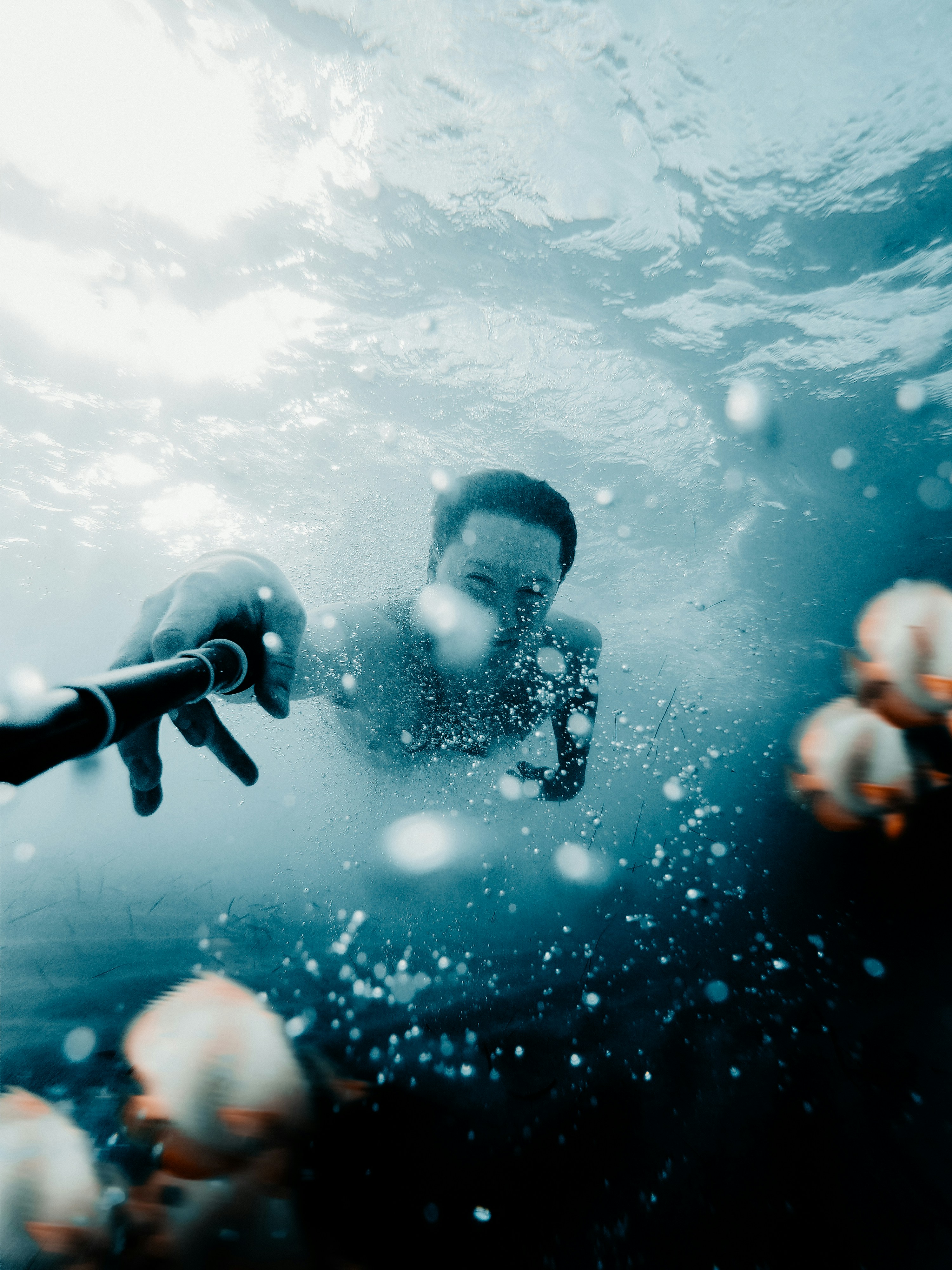
The Art of Underwater Cinematography
Underwater cinematography is an intricate blend of art and technology that captures the stunning beauty of aquatic environments. It requires specialized skills and equipment tailored to handle the unique challenges posed by filming below the surface. This form of cinematography not only showcases the vibrant life forms in the ocean but also tells compelling stories through visual narrative, capturing both the drama and tranquility of underwater scenes.
One of the primary challenges faced by underwater cinematographers is the need to control light. Water absorbs sunlight, leading to a decrease in color vibrancy at depths. Cinematographer Alfredo Barroso employs various techniques to combat this issue, including the use of powerful underwater lights and filters to enhance color accuracy. The positioning of these lights is crucial, as it helps illuminate the subject while mitigating unwanted shadows that can distort the scene.
The equipment used in underwater cinematography often includes specialized cameras and housings designed to withstand the pressures of deep-water filming. High-definition cameras, typically used for producing crisp visuals, are fitted into waterproof cases, ensuring protection against water damage. Furthermore, Barroso emphasizes the importance of utilizing housings with precise controls, enabling cinemagraphers to adjust settings swiftly without exposing the equipment to water.
Another significant aspect of underwater filming is the need for advanced buoyancy control. This element allows cinematographers to maintain stability while capturing footage, which is crucial for achieving smooth, cinematic shots. Mastery of underwater movements, such as buoyancy and positioning, is essential for creating immersive experiences for viewers.
Ultimately, underwater cinematography is an art form that demands not only technical expertise but also a deep appreciation for the natural world. Barroso’s work exemplifies how skillful cinematography can unveil the hidden wonders of our oceans, creating a greater understanding and appreciation for marine life and environments.
Notable Projects and Achievements
Alfredo Barroso, an acclaimed underwater cinematographer, has dedicated his career to creating films that not only showcase the breathtaking beauty of marine environments but also promote their conservation. Among his most notable projects is the documentary series “Oceans Unveiled,” which won multiple awards for its compelling storytelling and stunning visuals. This series explores the intricate ecosystems of the world’s oceans, highlighting the impact of climate change on marine life. Barroso’s cinematography brings viewers face-to-face with creatures rarely seen, creating a visceral connection that underscores the urgency of marine conservation.
Another significant project that has garnered critical acclaim is “Coral Guardians,” a film focusing on coral reef conservation, which won the Environmental Impact Award at the International Documentary Festival. Through his unique filming techniques, Barroso captures the vibrant life of coral reefs, effectively conveying the threats they face from human activity. This project not only serves as a visual marvel but also educates the audience about the importance of preserving these fragile habitats.
Barroso’s work extends into public awareness campaigns, such as the “Save Our Sharks” initiative, which combines cinematic art with activism. The campaign’s film has successfully raised funds for shark conservation efforts and has been instrumental in legislative changes regarding fishing regulations. This project exemplifies how effective underwater cinematography can drive social change by informing the public and galvanizing support for marine life protection.
Overall, Barroso’s notable projects demonstrate his exceptional ability to blend artistic vision with a commitment to environmental advocacy. Through his endeavors, he continues to inspire audiences globally to appreciate and protect our oceans, reaffirming the vital role cinematographers play in the field of marine conservation.
Challenges Faced Underwater
Underwater cinematography presents a unique set of challenges that can test even the most experienced professionals. Award-winning underwater cinematographer Alfredo Barroso emphasizes that among these challenges, lighting remains paramount. The lack of natural light beneath the water’s surface means cinematographers often resort to artificial lighting solutions. However, the intricacies of light refraction in water create unexpected obstacles. Adjusting to the ambient light conditions while ensuring optimal exposure is crucial for capturing stunning visuals. The use of specialized underwater lighting gear is critical, but dealing with shadows and murky water can complicate this further.
Another significant challenge faced by underwater cinematographers is equipment reliability. Underwater environments are harsh, and even the most sophisticated filming equipment is not immune to malfunctions. Barroso recounts instances where water leaking into camera housings led to costly equipment repairs and unexpected delays in shooting schedules. The added pressure of operating in a confined space can exacerbate these issues, requiring cinematographers to remain calm and resourceful. Regular maintenance and rigorous testing of gear prior to any dive are essential practices that experienced professionals adopt to mitigate such risks.
Physical and mental stamina are other critical factors that contribute to the success of underwater cinematography. Long hours spent submerged in water can lead to fatigue, while varying water temperatures may affect divers’ comfort levels. Barroso points out that achieving engaging footage often demands significant time and concentration, requiring cinematographers to manage both their physical and mental reserves effectively. The ability to stay focused despite the physical demands of deep-water dives, coupled with the unexpected nature of marine life, is a skill honed over years of practice. Each dive presents its own unpredictability, making resilience and adaptability key attributes for those looking to excel in this visually captivating field.
Inspired by Nature: Environmental Advocacy
Alfredo Barroso’s profound connection with the ocean is evident in his cinematography, where he intricately blends artistic vision with a strong commitment to environmental advocacy. His work serves not only to capture the breathtaking beauty of underwater ecosystems but also to shed light on the critical challenges they face. By utilizing his artistic talents, Barroso strives to raise awareness of pressing oceanic issues such as climate change, plastic pollution, and habitat destruction.
By immersing himself in the underwater world, Barroso witnesses firsthand the impacts of human activities on marine life. This experience fuels his passion for conservation and inspires him to document the stories that often go unheard. Through his lens, he showcases the richness of marine biodiversity while highlighting the fragility of these vital ecosystems. Each frame becomes a call to action, encouraging viewers to understand the importance of protecting our oceans.
Barroso believes that visual storytelling is a powerful catalyst for change. His films not only engage audiences emotionally but also provide them with the knowledge needed to advocate for marine conservation. By presenting the often-overlooked beauty of underwater life, he aims to build a bridge between people and the ocean. His dedication to this cause is reflected in his collaborations with environmental organizations and educational initiatives, which seek to inspire individuals to take part in preserving our oceans for future generations.
In his pursuit of environmental advocacy, Alfredo Barroso stands as a testament to the impact that one individual can have on the global conversation surrounding marine conservation. By blending his passion for cinematography with a mission to protect the marine environment, he creates a legacy that emphasizes the importance of stewardship and the urgent need for collective action in safeguarding the oceans.
Behind the Lens: The Creative Process
Alfredo Barroso, renowned for his extraordinary underwater cinematography, elaborates on his creative process which serves as a foundation for his captivating visual storytelling. When conceptualizing shots, Barroso emphasizes the importance of thorough pre-planning. He begins by diving into extensive research about the environment and the subjects he intends to capture. This includes understanding the marine life behavior, the water’s characteristics, and lighting conditions, which can differ substantially underwater compared to land-based cinematography. Such meticulous preparation enables him to devise a shot list that aligns with the narrative he wishes to convey.
Collaboration plays a crucial role in Barroso’s shooting process. He often works closely with marine biologists, fellow cinematographers, and production teams to ensure a seamless flow of ideas and technical expertise. This cooperative effort is essential for tackling the unique challenges posed by underwater environments. For instance, while monitoring the aquatic life, he often relies on his team to help interpret real-time changes in conditions, allowing him to adapt quickly to unpredictable aquatic behaviors and lighting changes.
Additionally, patience stands out as a pivotal element in Barroso’s approach. Capturing striking underwater footage is not merely about being at the right place at the right time; it involves waiting quietly for moments to unfold. Barroso reveals that many of his most stunning shots have resulted from hours of silent observation, allowing him to connect with his subjects and capture their essence in a way that truly resonates with viewers. He believes this patience not only enhances the quality of the footage but also deepens the storyteller’s relationship with the oceanic world.
Technological Advancements in Underwater Filming
Underwater cinematography has undergone significant transformations over the past few decades, driven largely by technological advancements. The evolution of camera equipment has been particularly notable, with the introduction of compact, high-definition cameras that can withstand the pressures of deep-sea environments. These advancements allow cinematographers like Alfredo Barroso to capture stunning visuals that were once deemed impossible.
Modern underwater cameras are often equipped with features such as advanced image stabilization, high-speed shooting capabilities, and enhanced low-light performance. These innovations have vastly improved the quality of underwater footage and expanded the creative possibilities for filmmakers. Barroso’s work exemplifies how these enhancements have allowed for more dynamic storytelling and detailed imagery, providing audiences with an immersive viewing experience.
Additionally, drones specifically designed for underwater filming have emerged as game-changers in the industry. These remotely operated vehicles, equipped with cameras, enable cinematographers to explore and document marine ecosystems from angles and depths previously unobtainable. Such technology not only facilitates broader exploration but also enhances the safety of filmmakers working in hazardous aquatic environments. Barroso has successfully integrated drone footage into his projects, showcasing marine life and landscapes in breathtaking ways that captivate audiences.
Furthermore, advancements in post-production software have revolutionized the editing process for underwater films. Enhanced color grading tools, visual effects, and editing platforms allow cinematographers to refine their footage, ensuring that every underwater shot is polished to perfection. The combination of superior filming equipment, UAV technology, and advanced editing techniques is shaping a new era in underwater cinematography.
Advice for Aspiring Cinematographers
For those aspiring to make their mark in the field of underwater cinematography, it is essential to develop a blend of technical skills and creative vision. First and foremost, aspiring cinematographers should invest time in understanding the fundamental principles of cinematography, including composition, lighting, and camera operation. A solid foundation in standard cinematography techniques will facilitate a smoother transition to the unique challenges present in underwater environments.
Moreover, hands-on experience is invaluable. Gaining practical underwater experience, whether through diving courses or volunteer opportunities, offers firsthand knowledge of underwater dynamics and behaviors of marine life, which can significantly influence the filming process. Engaging with local marine conservation groups or participating in marine research projects can also provide insights and practical skills that are beneficial for aspiring cinematographers.
Networking within the industry is another critical component to building a career in underwater cinematography. Attending film festivals, workshops, and industry seminars can connect budding cinematographers with established professionals. Seeking mentorship from experienced underwater filmmakers can provide guidance and foster opportunities that may not be otherwise accessible.
Additionally, embracing new technologies and learning to use advanced camera equipment designed for underwater use is crucial. As technology evolves, staying updated on the latest advancements in undersea filming gear and techniques is imperative. Practicing with different camera settings and understanding how they interact with water conditions will empower aspiring cinematographers to produce high-quality footage.
In summary, aspiring underwater cinematographers need to prioritize continuous learning, gain practical experience, network effectively, and stay informed about technological advancements. By cultivating these skills and connections, they can pave their way toward a successful career in this exciting field.
Conclusion and Future Endeavors
As we conclude this insightful interview with Alfredo Barroso, it is evident that his journey in underwater cinematography is marked by passion, innovation, and an unyielding commitment to capturing the beauty of the ocean. Throughout our discussion, Barroso emphasized the importance of storytelling in his work, dedicating himself to not just showcasing breathtaking visuals but also conveying pivotal messages about marine conservation and environmental awareness. His meticulous approach to cinematography has earned him numerous accolades, inspiring a generation of filmmakers who aspire to follow in his footsteps.
Looking ahead, Alfredo Barroso is excited about several upcoming projects that promise to push the boundaries of underwater filmmaking. His next venture involves a collaborative documentary aimed at highlighting the effects of climate change on marine ecosystems, a subject close to his heart. Barroso firmly believes that through powerful visual narratives, filmmakers can evoke a stronger emotional response from audiences, ultimately encouraging action towards environmental protection.
In addition to this significant project, Barroso aspires to develop new techniques in underwater cinematography that can enhance the immersive experience for viewers. He is particularly interested in integrating advanced technologies, such as 360-degree filming and augmented reality, to create a more engaging and educational environment. These innovations not only aim to captivate audiences but also serve as vital tools in raising awareness about the pressing issues facing the oceans.
In essence, Alfredo Barroso’s future endeavors reflect his dedication to both the art of cinematography and the preservation of our marine world. As he continues to explore the depths of underwater landscapes, his work will undoubtedly leave a profound impact, encouraging both filmmakers and audiences to appreciate and protect the wonders that lie beneath the waves.
