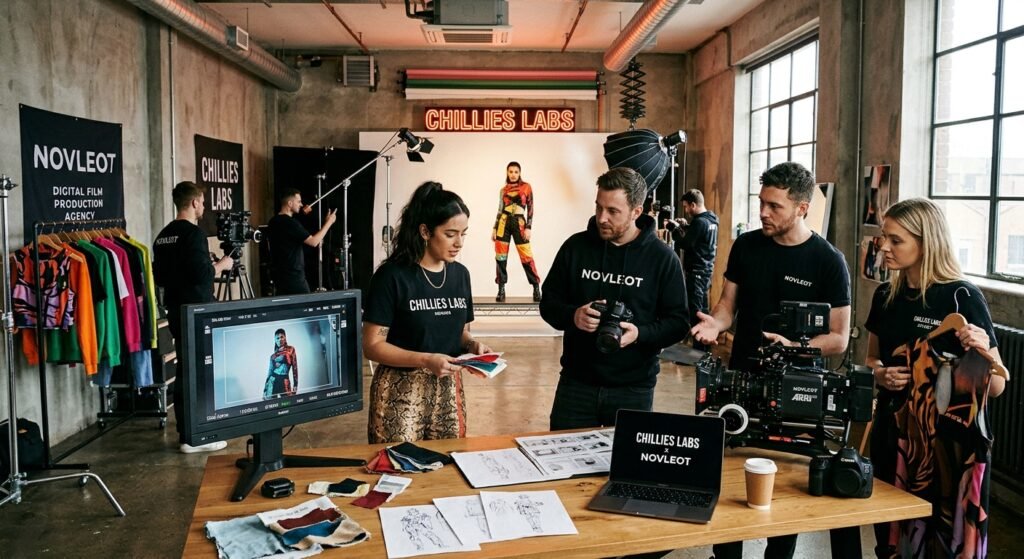
At the meeting point of fashion and film, Chillies Labs and Novleot bring distinct creative disciplines into one shared frame. Chillies Labs approaches clothing as a designed expression of identity, texture, and movement, while Novleot works as a digital film making agency, shaping images into a considered narrative. Their collaboration begins with a simple premise: a collection can be encountered, not merely displayed. Rather than treating film as a final layer placed over a campaign, the partners use it as a way to interpret what the garments communicate and how viewers might respond. This approach gives the project room to connect product and feeling.
That connection depends on more than attractive imagery. Fashion design supplies the material language: silhouette, fabric, color, and the details that distinguish one piece from another. Cinematic storytelling adds rhythm, atmosphere, and a sense of perspective, guiding the audience through those details without reducing them to a catalogue. In this creative relationship, camera movement, editing, sound, and setting can shape how a garment is perceived, from its weight and drape to the mood it suggests. The same visual sensibility can also support fashion and skincare, where touch, surface, and ritual are central to how a brand is understood.
The partnership therefore treats moving images as an experience with its own structure, rather than a straightforward record of products. A viewer may meet a collection through a sequence of gestures, spaces, and visual contrasts, discovering its character over time. This gives the brand a way to express not only what it makes, but the world and values surrounding each design. The following discussion considers how Chillies Labs and Novleot develop that idea in practice: how creative intent informs production choices, how film can make a collection feel more immediate, and how a carefully built visual story can influence an audience’s encounter with a fashion brand.
A creative partnership between Chillies Labs and Novleot can draw on distinct disciplines while keeping a shared visual purpose in view. Chillies Labs brings a fashion perspective shaped by garments, styling, and brand identity. Those elements influence how people, materials, silhouettes, and products appear on screen, as well as the impressions an audience may associate with a label. In contexts that include fashion and skincare, choices about texture, color, wardrobe, and presentation can help translate a brand’s character into a coherent visual language. This contribution is not limited to selecting what appears in a frame; it can help establish what the imagery communicates.
Novleot contributes capabilities associated with filmmaking, including concept development, cinematography, direction, and post-production. Concept development can turn an initial brief into a narrative or visual approach, while cinematography determines how light, movement, framing, and atmosphere support that idea. Direction brings decisions about performance, pacing, and coordination on set; post-production then shapes recorded material through editing, sound, color, and finishing. Together, these stages provide a route from an early creative premise to a considered moving image. Describing these as capabilities, rather than assuming a particular project history or portfolio, keeps attention on the kinds of expertise that can inform a production.
The strongest collaboration emerges when strengths inform one another rather than function as separate assignments. Styling may suggest camera movement or lighting; a film’s rhythm may reveal which garments or brand cues deserve emphasis. A developing concept can shape wardrobe decisions, while the fashion perspective gives the narrative a specific point of view. This exchange lets brand expression and filmmaking craft develop together, supporting work that feels purposeful rather than assembled from disconnected components. Collaboration is most effective when decisions cross disciplines, from concept through final edit. The result can be distinctive because visual identity and moving-image language respond to each other throughout production, at every stage of planning, filming, and finishing the work.
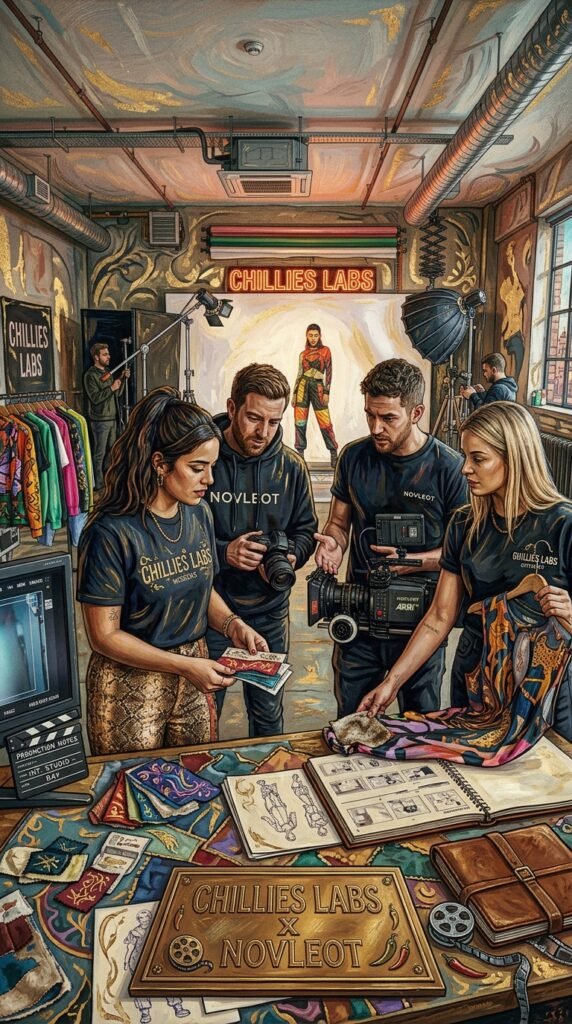
Before cameras roll, Chillies Labs and Novleot can benefit from defining what they want the film to accomplish together. A shared creative direction gives each partner a common basis for decisions, from casting and styling to locations, pacing, and final edits. It does not require every detail to be fixed in advance; rather, it establishes priorities that can guide exploration throughout production.
The first discussion should clarify the intended audience. A film designed for existing customers may emphasize product knowledge and brand familiarity, while one seeking to reach new viewers may need a more immediate visual hook. The partners should also agree on the feeling they want viewers to take away—perhaps confidence, curiosity, calm, or a sense of discovery. These choices help translate broad ambitions into practical creative decisions.
The collection itself should remain central to the story. The team can identify which designs, textures, colors, or details deserve particular attention, and consider how the moving image can reveal qualities that still photography may not capture. If the work touches on fashion and skincare, for example, the relationship between garments, skin, touch, and personal expression can inform the film without turning it into a simple product display. The collaboration should communicate a clear idea about why these brands are working together and what their shared perspective offers the audience.
Mood boards and visual references make abstract ideas easier to discuss. Images, film excerpts, lighting examples, and notes on movement or sound can help each partner recognize what feels relevant—and what does not. Early conversations are equally valuable: they surface different expectations before those differences become costly production changes. A concise creative brief can then record the audience, central message, desired mood, key collection details, and practical boundaries.
For a digital film making agency, alignment should provide direction without closing off possibility. With agreed principles in place, Chillies Labs and Novleot can leave room for experimentation on set, allowing unexpected gestures, compositions, or performances to strengthen the film while keeping its story coherent.
Translating a fashion identity into a film begins with understanding what the clothes communicate before the camera starts rolling. Silhouette, texture, colour, and construction can each suggest a particular mood or point of view. The creative team can then shape a screen-based narrative that makes those qualities legible, while remaining consistent with the brand’s character. For chillies labs and novleot, this kind of collaboration offers a way to connect clothing with moving-image storytelling without treating the film as a separate visual exercise.
Tone is an early decision. A collection with precise tailoring might call for restrained compositions and measured movement, while fluid garments could suit a more relaxed rhythm. These choices should arise from the clothing and the identity behind it, rather than from a trend or a desire to make the film appear dramatic. Setting matters for the same reason: a simple studio, an architectural interior, or an outdoor location can each frame garments differently. The most effective environment gives context without competing for attention.
Movement helps define how viewers experience fabric and form. A model’s gesture, the pace of a walk, or a turn toward the lens can reveal details that a still image cannot. Camera movement should respond to that action: a steady track may preserve the lines of a garment, while a closer, slower shot can draw attention to texture. Editing then determines how these moments relate. A measured pace gives details room to register; quicker cuts may create energy, provided they do not obscure the clothes.
For a digital film making agency, the central question is not how much spectacle can be added, but what the film needs to express. Hypothetically, a skincare and fashion label might use soft daylight and close framing to suggest tactility, while a more graphic collection could be presented through sharper contrasts. In either case, models, garments, and camera form a shared visual language. A clear concept keeps that relationship purposeful, allowing the film to extend the brand’s identity and help audiences understand the collection.
Before cameras roll, a fashion-film collaboration needs a shared plan for how clothing, story, and movement will work together. Chillies Labs and Novleot can begin with a creative brief, then translate its central idea into a storyboard or shot list. Each frame should clarify the garment’s role: which details need close-ups, how a silhouette reads in motion, and where a still, composed image can create contrast. Casting follows the concept, with attention to presence, movement, sizing, and the model’s ability to express the intended mood. Early decisions help the fashion and production teams align expectations rather than solve creative questions on set.
Location and set choices should support the wardrobe without competing with it. Teams assess available space, surfaces, background colors, access, sound, and any restrictions on equipment or crew. A schedule then accounts for setup, lighting tests, filming, and garment changes, with enough time for adjustments and retakes. Clear crew roles—such as director, cinematographer, stylist, assistant, and production coordinator—make responsibilities visible. For fashion and skincare projects, product placement and any required close-up work can also be planned alongside wardrobe shots. As a digital film making agency, the production team can identify technical needs early, while the fashion team confirms the intended look and presentation.
Preparation of each garment is equally important. Styling teams should check fit, steaming, fastenings, accessories, and backup options, and organize looks in shooting order. Continuity notes or reference photographs help preserve details such as sleeve position, jewelry, and how a garment is worn between takes. These practical checks matter because clothing may appear polished in a still frame yet behave differently when a performer walks, turns, or reaches. Lighting tests reveal how fabric, color, texture, and skin tones respond on camera; movement tests can expose bunching, slipping, or distracting reflections. Regular coordination between fashion and production teams keeps changes documented and timing realistic. With these preparations in place, the collaboration can make garments compelling in both carefully composed moments and fluid sequences, while reducing avoidable delays on set.
Filming clothing in motion requires more than recording a model wearing a look. Each decision on set can help an audience understand fabric, silhouette, construction, and fit. Camera movement, lighting, framing, and performance should therefore work together to make the garment legible while preserving the visual concept shared by the creative team. For Chillies Labs and Novleot, the process is best understood as a set of considerations rather than a fixed production formula.
Camera movement can follow a turn, a step, or the natural response of fabric to motion, drawing attention to details that a static image may conceal. A measured move can show how a hem falls or how a sleeve shifts, while a steadier frame can give viewers time to read shape and proportion. Lighting also affects how clothing appears: changes in highlight and shadow can distinguish surface textures, reveal folds, and clarify the boundaries of a silhouette. Framing should leave enough space for movement without losing details important to the styling.
Performance and model movement are equally significant. A gesture should feel purposeful and comfortable, allowing the clothing to move naturally rather than treating the body as a display stand. The fashion team can identify which actions best demonstrate fit, drape, or construction, while the director and cinematographer consider how those actions translate into images. If a movement obscures a key detail or makes a garment appear unlike its intended fit, the team can adjust timing, direction, or framing together.
This collaboration depends on clear communication and a shared understanding of the concept. The stylist may call attention to a feature that needs emphasis; the cinematographer can suggest an angle or pace; and the director can ensure the moment still serves the broader story. A digital film making agency working across fashion and skincare may also balance garment-focused imagery with the mood and identity of the overall piece. Flexible, considered adjustments help protect that shared idea while responding to what is happening on set. In this way, collaboration turns movement into a practical storytelling tool, making the clothing’s character visible without distracting from the film’s intended tone.
Post-production turns a collection of recorded moments into a fashion film with a clear point of view. The first step is reviewing the footage and selecting takes that best express the garments, movement, and atmosphere. A technically polished shot may be less effective than one that captures natural motion or reveals how fabric responds to light. For Chillies Labs and Novleot, this selection process can help connect fashion and skincare imagery with a consistent visual identity, rather than presenting products as unrelated elements.
Editors then shape the selected material through pacing and narrative structure. The rhythm of cuts influences whether viewers experience a look as energetic, refined, or contemplative, while shot order can guide attention from a silhouette to its details. Color grading supports that impression by balancing skin tones, fabric hues, and the overall palette. Sound design and music contribute another layer: subtle textures may preserve an intimate mood, while a stronger musical progression can give a campaign film momentum. Titles and graphic elements should remain legible and purposeful, complementing the imagery without distracting from the clothing or brand.
Practical delivery is also part of the creative process. A finished master may need shorter edits, alternate aspect ratios, captions, or versions tailored to social platforms, websites, and presentations. Planning these outputs early helps preserve the film’s visual logic across different screens and durations. Review rounds provide an opportunity to assess both creative choices and technical details, but they work best when feedback is consolidated and approval responsibilities are clear. The label can confirm brand accuracy, product presentation, and messaging, while the production team contributes expertise in editing, grading, and sound. This collaboration between a fashion label and a digital film making agency helps ensure that revisions remain focused. When decisions are documented and final sign-off is assigned in advance, the completed film can reflect the label’s identity while retaining the visual craft established during production.
For viewers, a fashion film can provide a more immersive way to encounter a collection than a sequence of still images alone. Movement reveals how garments respond to a body, how fabrics catch light, and how styling shifts across different scenes. When Chillies Labs and Novleot bring their perspectives to a project, the potential lies in shaping these details into an experience that invites audiences to spend time with the collection. The film can offer context and atmosphere while keeping the clothing and its defining features in view.
A carefully developed visual story can also make a brand’s mood easier to recognise. Choices in pacing, colour, sound, setting, and performance influence whether a campaign feels restrained, energetic, intimate, or experimental. For audiences considering fashion and skincare, those creative cues can help connect products with a broader identity rather than presenting them as isolated items. The partnership may therefore create room to express a coherent point of view across categories, provided the concept feels relevant to the brand and remains clear to viewers.
Fashion film can complement product photography and other campaign materials, not replace them. Photographs may communicate precise details and offer convenient reference points, while moving images can bring together styling, environment, and narrative in a memorable sequence. A digital film making agency can help translate a campaign idea into an audiovisual form, but the value depends on the choices made in production and editing. Distinctive visuals alone do not guarantee that a story will resonate; clarity, accessibility, and audience interests matter as well.
For Chillies Labs and Novleot, collaboration offers an opportunity to build a visual encounter that gives viewers more than a product overview. Its effectiveness will ultimately depend on how well the creative execution serves the collection and communicates its intended character. Audience response cannot be assumed in advance, so the film is best understood as one element of a wider campaign. When supported by complementary imagery and messaging, it can give people a fresh route into the brand’s world and leave a lasting impression without making the products harder to understand.
The partnership between Chillies Labs and Novleot brings together two complementary perspectives on visual storytelling. Its premise is straightforward: pair knowledge of fashion and skincare with the capabilities of digital film production to shape ideas for moving-image platforms. Fashion offers a language of materials, styling, identity, and detail, while film can give those elements rhythm, atmosphere, and a narrative arc. Together, these disciplines can help a brand communicate not only what a product looks like, but also the context and feeling it seeks to convey.
The value of this kind of collaboration depends on more than the initial concept. A coherent result requires coordination from early discussions through scripting, production, and the final edit. Teams need to align on audience, tone, visual references, practical constraints, and the intended use of each piece. Decisions made at one stage affect the next: a clear creative brief can guide filming, and careful editing can preserve the original idea while making the finished work concise and engaging. When fashion specialists and a digital film-making agency share information throughout the process, their distinct expertise can contribute to a unified outcome rather than competing directions.
Chillies Labs and Novleot therefore represent a useful example of how a cross-disciplinary collaboration may approach contemporary fashion storytelling. The partnership points to creative possibilities for presenting style and skincare through considered imagery, motion, and narrative, while emphasizing the planning required to carry an idea from concept to completion. Those possibilities should be understood as potential, not as a claim about specific future projects or proven results. As audiences continue to encounter brands across digital channels, collaborations that connect subject expertise with thoughtful film craft may offer new ways to make stories distinctive and accessible. Their success will ultimately depend on clear objectives, sustained communication, and a shared commitment to the work at every stage.