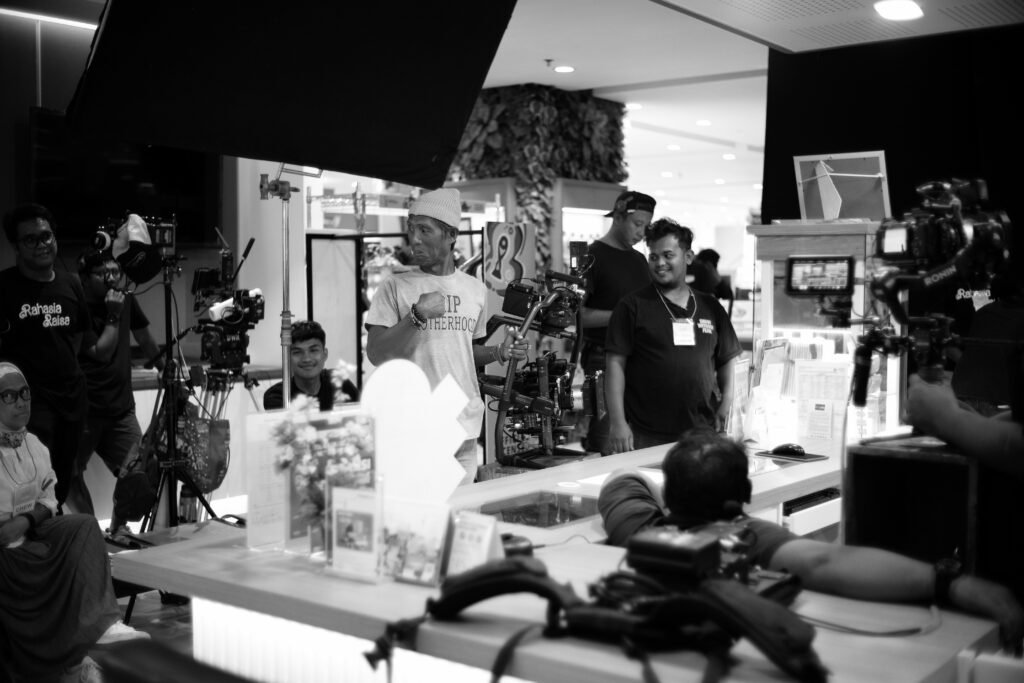
A film associated with Chillies Labs in 2027 could begin with an idea, a story, or a creative brief and develop through a sequence of connected decisions. The precise projects, workflows, and capabilities of the organization would need to be confirmed directly; the outline here reflects common film production practices rather than verified details about a particular Chillies Labs production. This distinction matters because budgets, formats, schedules, and creative approaches vary from one project to another.
Development turns an initial concept into a workable creative plan. Writers and producers may shape the script, assess its audience and scope, and consider financing, rights, and potential partners. Once a project moves toward preparation, the team can refine the budget and schedule, appoint key crew members, select locations, cast performers, and plan equipment and logistics. Storyboards, shot lists, production design, and technical tests help translate the intended style into practical choices before filming begins.
Principal photography is the period when the planned scenes are recorded. Directors, cinematographers, performers, sound teams, and production staff coordinate each day to capture usable material while responding to performances, locations, and changing conditions. Contemporary filmmaking also depends on careful technical coordination: camera and sound settings, data handling, backups, and clear communication help protect the work and keep departments aligned. The exact tools and responsibilities used by any Chillies Labs project would depend on its confirmed production model.
After filming, post-production brings picture, sound, music, visual effects, and color work together. Editors assemble footage into a coherent story, while specialists refine the experience and prepare deliverables for review. Distribution planning may begin earlier, but release decisions can include festival submissions, theatrical exhibition, streaming, or other channels, depending on rights and strategy. Across development, preparation, filming, finishing, and release, collaboration among creative, production, and technical teams is central. A 2027 film production can succeed when artistic intent and practical execution inform one another, while project-specific claims remain grounded in information the organization has actually shared.
A film begins with an idea, but development turns that idea into a story that can be evaluated creatively and practically. Research may clarify the world, historical context, professions, or communities represented, helping writers identify details that strengthen authenticity. It can also reveal sensitivities or factual questions that warrant expert input. Genre and intended audience shape choices about tone, pacing, themes, and scale: a contained drama and an effects-heavy adventure create very different expectations and production demands. Defining those expectations early gives the screenplay a clearer creative direction without limiting later discovery. In a 2027 film production, this foundation can support decisions about both artistic ambition and feasibility.
Screenplay development is typically iterative. Writers may prepare an outline, draft scenes, and revise after feedback from producers, collaborators, or readers whose perspectives expose unclear motivations, weak transitions, or opportunities for stronger character choices. Notes should be assessed against the project’s central intent rather than applied mechanically; productive revision preserves what makes the story distinctive while improving clarity and momentum. As the script evolves, filmmakers can consider whether its locations are accessible, whether the cast requirements are realistic, and whether the schedule allows the necessary preparation and execution. A demanding sequence might be rewritten, combined with another location, or staged differently.
Budget and technical assessment connect creative choices to available resources. Producers can compare estimated costs for cast, locations, crew, equipment, travel, and postproduction with the project’s financing assumptions, then identify pressure points before commitments are made. Potential visual-effects work deserves early discussion because it may require specialist teams, additional shoot planning, and extended postproduction time. Practical tests, such as location visits, schedule breakdowns, or preliminary effects consultations, help determine whether the intended images are achievable within the resources. A development plan lets the team distinguish essential story elements from expensive details that can be adapted. When scope exceeds resources, revisions may preserve emotional stakes while simplifying logistics, consolidating settings, or adjusting effects. Conversely, a well-supported requirement can become part of the production strategy. These assessments help a screenplay move toward a production-ready form: one that communicates creative intent and gives departments enough information to estimate the work ahead. For Chillies Labs, as for any production partner, development methods should not be assumed without public confirmation; the principle remains that story choices and practical planning should inform one another.
A film’s creative and production team brings distinct expertise to a shared plan. Producers oversee development, financing, scheduling, and coordination, helping balance creative ambitions with budget, time, and other practical limits. Directors guide performances and shape the story’s visual and emotional approach. Writers develop the screenplay and may revise it as production needs evolve. These roles overlap in discussion, but clear responsibility for decisions helps the project move forward efficiently.
Department heads translate the creative vision into plans for their teams. Cinematographers work with directors to establish framing, lighting, and camera movement, while production designers develop the environments, props, and visual details that define the film’s world. Editors shape recorded material into a coherent narrative, often collaborating with directors and producers during post-production. Other leads may oversee sound, costumes, makeup, visual effects, locations, or production management. Technical specialists, including camera operators, lighting technicians, sound recordists, and digital workflow staff, support the equipment and processes required to carry out those plans.
Communication connects these responsibilities. Regular meetings, production documents, and timely updates allow departments to coordinate schedules, identify conflicts, and adapt when locations, equipment, or resources change. For example, a lighting plan may affect the shooting schedule, while a design choice may require additional construction time. Casting and crew selection should likewise reflect the project’s scale, genre, schedule, and particular skills. Producers and directors typically consider performers’ suitability for roles alongside availability, while department heads help identify experienced personnel for specialized tasks. A 2027 film production involving Chillies Labs would need a team assembled around its confirmed creative brief and practical requirements. Any claims about actual personnel, casting, or partnerships for a Chillies Labs production in 2027 should be checked against reliable announcements, rather than assumed from general industry practice. This distinction keeps planning grounded while leaving room for the specific team and workflow that an officially announced project may require.
Before cameras roll, pre-production translates a script into a practical plan for the 2027 film production. The team at Chillies Labs can begin with a script breakdown, identifying each scene’s cast, locations, props, wardrobe, makeup, visual effects, and special requirements. These details inform the budget and schedule, helping producers estimate resources, group scenes efficiently, and identify costly or time-sensitive work early. A clear plan gives every department a shared understanding of what the story requires without limiting how it may be told.
Location scouting assesses more than appearance. Teams consider access, sound, light, power, safety, travel time, and whether permits or permissions are needed. Casting and rehearsals help establish performance needs, while production design shapes the look of sets, props, and locations. Costume and makeup planning supports character and continuity across scenes. Equipment decisions follow the creative and logistical requirements: camera, lighting, grip, and sound choices must suit the intended images while remaining manageable within the schedule and budget.
Visual planning makes complex sequences easier to evaluate before they reach the set. Storyboards communicate composition and action; shot lists specify coverage and camera setups; and previs can test movement, timing, or effects-heavy scenes. Together, these tools help departments coordinate, reveal gaps, and make informed adjustments. Contingency plans can address weather, unavailable locations, cast changes, equipment issues, or scenes that take longer than expected. They establish workable alternatives rather than assuming every variable will cooperate.
Thorough preparation can reduce avoidable delays by resolving practical questions before crew and cast assemble. It also helps protect time for decisions that are best made in the moment, such as refining a performance or adapting a composition to a location. For Chillies Labs, effective film production planning is therefore not a fixed blueprint but a flexible framework. With essential logistics settled, the team can respond creatively on set while keeping the shoot aligned with its resources and goals.
Principal photography turns a film’s plans into daily, coordinated action. Before the crew arrives, the call sheet sets out the day’s locations, scenes, timings, transport details, and essential contacts. At the morning briefing, the assistant directors review the schedule, flag changes, and communicate safety information. This shared starting point helps every department understand what must be achieved and where flexibility may be needed.
For each setup, the director clarifies the dramatic purpose and works with performers on blocking, pacing, and character choices. The cinematography team translates that intent into framing, camera movement, lenses, and lighting. Meanwhile, grip and electric crews position equipment, and the sound department checks microphones, monitors background noise, and prepares to record clean dialogue. Assistant directors coordinate these parallel tasks, keeping the set informed and ready without rushing decisions that affect the scene.
Once the camera and sound teams confirm readiness, performers rehearse or move into position, and the director calls for a take. Between takes, the crew may adjust lighting, refine a camera angle, address a sound issue, or discuss a performance. Script supervisors and department members track continuity, including props, wardrobe, eyelines, and actors’ movements. These checks help editors join shots smoothly, particularly when scenes are filmed out of story order or across different days.
Even a carefully planned film production must adapt to real conditions. Weather can alter light or make outdoor work unsafe; restricted locations may limit equipment, crew size, or available hours. Schedule changes require quick communication so departments can reorganize while protecting essential creative priorities. Safety remains central: clear walkways, controlled equipment, suitable protective measures, and briefings around stunts or changing conditions reduce avoidable risks. In a 2027 production at Chillies Labs, as on any set, disciplined logistics support rather than replace creative judgment. The rhythm of filming depends on balancing artistic intent with practical coordination, allowing each setup to move forward efficiently while giving performers and filmmakers the conditions to do their best work.
In 2027, filmmaking teams can choose from a broad range of digital tools, but technology alone does not create a compelling screen experience. Digital cameras offer flexible image capture, while advances in monitoring and data management can help crews review footage and maintain consistency across locations. The right camera package depends on the project’s visual language, schedule, budget, and delivery requirements—not simply on the newest available equipment.
Virtual production may be useful when interactive backgrounds, controlled environments, or complex locations are central to a scene. Real-time visualization can help directors, cinematographers, and designers assess composition and staging earlier, allowing creative decisions to be tested before a set is completed. These methods are not essential for every production. Practical locations, traditional sets, or a combination of approaches may better support a story’s tone and performance needs.
Cloud-based collaboration can connect departments working across different places, making it easier to review materials, share updates, and coordinate creative feedback. Clear permissions, reliable file management, and agreed communication practices remain important, particularly when teams handle large media files or sensitive production information. Visual-effects planning also benefits from early coordination: identifying required shots, reference materials, and handoffs can reduce avoidable changes during post-production.
Technical integration is most effective when considered during development and pre-production. Producers and department leads can assess which scenes require effects, specialized capture, or real-time tools, then plan time and resources accordingly. This helps prevent technical choices from constraining performances or disrupting the intended visual rhythm. It also gives collaborators a shared understanding of what must be captured on set and what can be created or refined later.
For a 2027 film production, the guiding principle is to select methods that serve the story. Chillies Labs may be part of a wider production conversation, but no particular technology or capability should be assumed without verified information. Each project should evaluate tools against its creative goals, practical constraints, and audience experience. Thoughtful choices—not novelty—make technology a useful partner in visual storytelling.
Post-production begins once recorded footage and production sound are organized and checked. Editors review takes, assemble scenes, and build an initial cut that establishes pace, performance, and narrative clarity. Temporary sound or images may help test transitions, but they are not final creative decisions. As the cut develops, the director and relevant collaborators exchange notes, compare alternatives, and track approved changes. Clear version control helps departments work from the same edit, reducing confusion when shots or scene lengths change. For a 2027 film production involving Chillies Labs, this coordinated process turns recorded material into a workable foundation for the remaining creative and technical tasks.
Sound work typically includes dialogue cleanup, sound design, and music. Editors and sound specialists address distracting noise, balance speech, and shape environmental details and effects to support the story without obscuring dialogue. Music is selected, composed, or adjusted in relation to the evolving edit, with timing and emotional tone reviewed alongside the scenes. In parallel, color grading creates visual consistency across shots and establishes the intended look, while visual effects address elements that require digital alteration or addition. Titles and credits are also designed and checked for accuracy, legibility, and timing. Departments share reference cuts, notes, and updated materials so their work remains aligned as the film changes.
Revisions are a normal part of this process, so schedules need room for review, updates, and renewed checks. A change to a scene’s length can affect music cues, sound transitions, visual effects timing, titles, and the overall color workflow. Planned review points help teams identify dependencies early and avoid treating each department’s work as isolated. When creative decisions are approved, the film undergoes final quality checks for picture, sound, synchronization, spelling, and technical consistency. Delivery specifications also matter: frame size, aspect ratio, frame rate, audio configuration, file format, and naming requirements should be confirmed with the intended recipient. These practical checks help ensure that the finished film is coherent, complete, and prepared in the requested form.
Managing a film production means balancing creative ambition with practical limits from development through delivery. Early budget planning assigns funds to departments, locations, cast, equipment, post-production, and contingency reserves. As work progresses, production managers compare actual spending with forecasts, document commitments, and flag variances before they become difficult to address. Clear cost tracking helps decision-makers understand the effects of proposed changes, rather than treating each request in isolation. A reliable view of costs also supports informed choices about where resources can be protected or adjusted.
Schedules connect those financial decisions to the daily work of cast, crew, vendors, and creative departments. Coordinators need to align availability, locations, equipment deliveries, technical requirements, and approval milestones, while communicating changes promptly to everyone affected. A delay in one area can create additional costs elsewhere, so schedules benefit from realistic allowances for preparation, setup, review, and contingency. Collaboration is especially important when creative priorities compete with logistical constraints. Transparent discussions allow teams to evaluate alternatives—such as revising a scene’s approach or reallocating resources—without obscuring the consequences for quality, timing, or cost.
Scope changes, equipment or software setbacks, weather, unavailable talent, and reshoots can challenge even carefully planned productions. Risk preparation may include backup vendors, alternate locations, reserve days, secure data practices, and clear escalation paths. These measures cannot eliminate uncertainty, but they can help a team respond methodically instead of making rushed decisions. For a project associated with Chillies Labs, the relevant production budget, schedule, vendors, and operating practices for 2027 should not be assumed unless officially disclosed. More broadly, effective film production management depends on accurate information, realistic commitments, and regular communication. When teams record decisions and revisit forecasts as conditions change, they can adapt while keeping stakeholders aligned on the project’s creative goals and practical boundaries.
Once filming and post-production are complete, a project’s next steps depend on its goals, rights, budget, and intended audience. Distribution planning may consider a theatrical release, streaming platform, broadcast sale, direct-to-audience launch, or a combination of routes. Some films also pursue festival screenings to build visibility, meet potential distributors, and introduce the work to critics and industry professionals. These options are possibilities, not guarantees: timing, commercial arrangements, eligibility, and strategic choices all shape what ultimately happens. Publicity can develop alongside this planning through approved stills, interviews, behind-the-scenes material, and a trailer released when the team is ready.
Audience and critical responses may help filmmakers understand which elements resonate, where viewers’ interpretations differ from their intentions, and what questions the story raises. Reviews, attendance, online discussion, and festival feedback each offer a partial view rather than a definitive measure of artistic value. The creative team may draw on those observations when making future decisions about storytelling, collaboration, or presentation, while recognizing that one response cannot predict the reception of another project. For a production associated with Chillies Labs, the same principle applies: wait for verifiable details before drawing conclusions about its reach, reception, or release prospects.
Readers following a 2027 film production can use a simple checklist to separate developments from expectation. Look for official project announcements; confirm the names and roles of credited collaborators through reliable sources; distinguish completed milestones from plans; and wait for authorized trailers or other promotional materials. For release details, check whether a date, platform, festival screening, or distribution arrangement has been formally announced, and note whether the information comes from the filmmakers, distributor, festival, or another accountable source. Updates can change as schedules and agreements evolve, so older reports may not reflect current plans. In the end, following a film’s journey is more rewarding when confirmed facts are kept distinct from speculation, and when each new announcement is treated as evidence of progress rather than a promise of a particular outcome.